Traveling to Japan for two weeks is an exciting experience that blends history, modernity, and a unique culture. Here are some essential tips to help you prepare for your Japanese adventure and make the most of your stay.
Carefully Plan Your Itinerary
Japan offers a vast array of places to explore, from the bustling streets of Tokyo to the serene temples of Kyoto. In 15 days, you can cover major destinations such as:
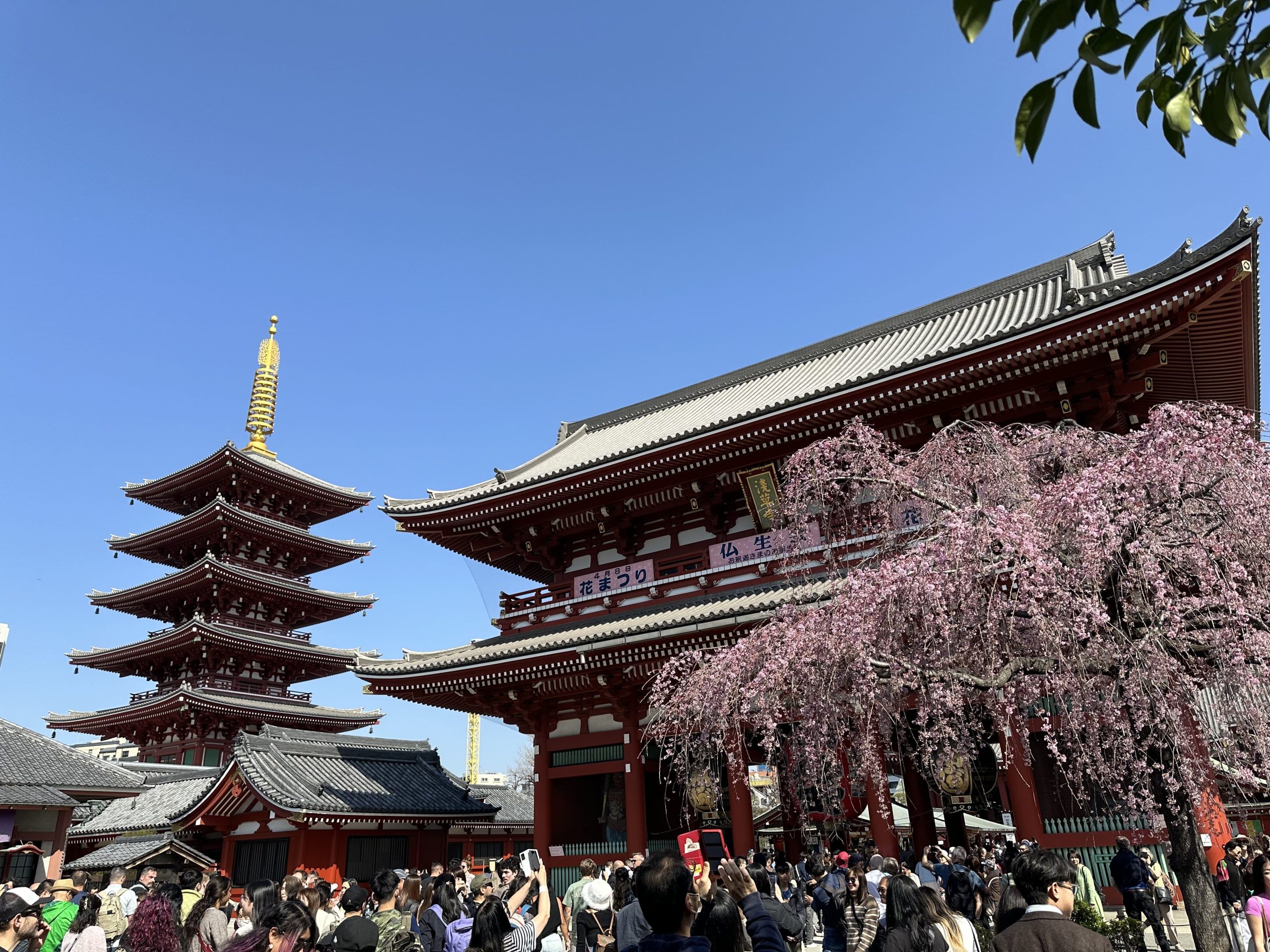
- Tokyo (4-5 days): Explore the capital, visit Shibuya, Asakusa, Harajuku, and the Meiji Shrine.
- Kyoto (3-4 days): Enjoy temples like Kinkaku-ji (Golden Pavilion), Fushimi Inari Shrine, and the Gion district.
- Osaka (2-3 days): Known for street food, Osaka Castle, and Universal Studios Japan.
- Day trips: Consider nearby destinations like Nara, Hakone, or Nikko.
Documents and Visa
Ensure your passport is valid for at least six months from your entry date. Depending on your country of origin, you may need to apply for a tourist visa. Check with the Japanese embassy for necessary requirements and procedures.
Purchase a JR Pass
The Japan Rail Pass is valuable for travel on most JR lines, including bullet trains (Shinkansen) and local trains. It’s especially cost-effective if you plan to visit multiple cities like Tokyo, Kyoto, Osaka, Hiroshima, and Sapporo. The pass allows unlimited travel for a fixed price, offering significant savings.
Choose from 7, 14, or 21-day options, and decide between standard or first-class (Green Pass) for extra comfort. The JR Pass is valid on all Shinkansen lines (Tokaido, Sanyo, Kyushu), except Nozomi and Mizuho trains. It also grants access to JR local lines in metro areas like Tokyo and Osaka, as well as some JR buses and ferries, including the ferry to Miyajima.
You must purchase the JR Pass from abroad before traveling, as it’s not generally available for purchase in Japan. Buy it through official distributors or online and receive an “Exchange Order,” which you will exchange for the actual pass at a JR office in Japan, presenting your passport and tourist visa. Plan your itinerary to choose the appropriate pass and use apps like Hyperdia or Google Maps to verify trip costs and ensure the pass is cost-effective.
Pack Smartly
Japan’s climate varies by season, so research the weather before your trip. General recommendations include:
- Comfortable clothing: For walking long distances.
- Light, sturdy shoes: Comfort is key as you’ll walk a lot.
- Hat or umbrella: Especially if traveling in spring or summer due to sun and occasional rain.
Japan has well-defined seasons and regional climate variations, so pack accordingly:
- Spring (March to May): Temperatures range from 10°C to 20°C, with increasing humidity in May. A light sweater or jacket should suffice. Bring an umbrella for occasional drizzle.
- Summer (June to August): Warm and humid, especially in July and August. Pack lightweight, breathable clothes like cotton, and a hat or cap for sun protection. A compact umbrella is useful for both rain and sun. A reusable water bottle is recommended for staying hydrated.
- Autumn (September to November): Cooler temperatures (10°C to 25°C) with drier weather. Layered clothing and a light jacket for cool evenings are ideal.
- Winter (December to February): Can be cold, especially in northern Japan. Include a heavy coat, scarf, and gloves, particularly if visiting mountainous or northern areas. Snow boots or warm footwear may be needed in snowy regions.
Also, bring a power adapter for type A/B plugs (100V voltage) and a portable charger for devices, as you’ll spend a lot of time away from your accommodation. A basic toiletry kit with sanitizer is handy, as some public areas may lack soap or disposable towels.
Stay Connected to the Internet
Having internet access is crucial for navigation and real-time translation. Rent a Pocket WiFi or buy a tourist SIM card, both easily available at the airport or online.
Internet connectivity enhances your travel experience by facilitating navigation and translation tools. Applications like Google Maps or Japan Travel by NAVITIME provide precise directions, train schedules, and real-time transport connections, essential in major cities with extensive train and metro networks.
Since many Japanese don’t speak fluent English, and the language’s characters are complex, translation apps like Google Translate are invaluable for understanding menus, signs, and instructions, and for interactions in shops, restaurants, and tourist spots. A stable internet connection allows you to access travel guides, restaurant reviews, and local event information, enriching your experience.
Online services for booking and purchasing tickets, such as JR Pass and museum or event tickets, often offer discounts. Internet access is also critical for emergencies, enabling you to find clinics, hospitals, or emergency contacts in English, especially in rural areas. Additionally, stay connected for natural disaster alerts like earthquakes or typhoons, with apps such as Japan Shelter Guide and Yurekuru Call providing real-time updates.
Learn Basic Japanese
While many in tourist areas understand some English, learning a few useful phrases in Japanese can be helpful:
- Arigatou gozaimasu (Thank you)
- Sumimasen (Excuse me/Sorry)
- Konnichiwa (Hello)
- Eigo ga hanasemasu ka? (Do you speak English?)
A translation app like Google Translate will also be very useful.
Budget Preparation
Japan can be expensive, but careful planning helps manage your budget. Consider:
- Accommodation: Business hotels, hostels, and Airbnb offer reasonable rates.
- Food: Enjoy local cuisine in izakayas, street markets, or convenience stores. Even simple dishes like ramen, sushi, and onigiri are delicious and affordable.
- Transport: The JR Pass covers most transport needs, but also budget for local metro or bus fares.
Culture and Etiquette
Japan is known for its unique social norms, which help maintain order and respect. Familiarizing yourself with these is essential to integrate and show respect.
- Respect for privacy: Japanese value discretion and personal space. On public transport, people often remain quiet to avoid disturbing others. Avoid loud conversations or phone calls, and speak softly if necessary, especially during peak hours when trains and buses can be crowded.
- Tipping: Tipping is not customary in Japan and may be seen as offensive. Restaurant, taxi, and hotel staff pride themselves on providing excellent service without expecting extra gratuity. A sincere “arigato gozaimasu” (thank you) is well-received.
- Respect in temples and shrines: Japan has numerous Buddhist temples and Shinto shrines, each with its own rules. Before entering a shrine, purify yourself at a water fountain by rinsing your hands and mouth. Maintain a respectful and quiet demeanor. Observe signs about photography restrictions and follow them.
- Cleanliness and public space respect: Japan is exceptionally clean. Carry your trash until you find a proper disposal location. It’s customary to remove shoes when entering homes, temples, and some restaurants or ryokan to maintain cleanliness.
- Dining etiquette: Japanese dining etiquette includes not sticking chopsticks upright in rice (symbolizing funeral offerings) and avoiding passing food from chopstick to chopstick (associated with funeral rituals). Slurping noodles is acceptable and considered a compliment to the chef.
Safety and Health
Japan is one of the safest countries globally, known for low crime rates and a respectful, orderly environment. However, basic precautions and health preparations are necessary.
- Travel insurance: Though Japan is safe, medical costs can be high for those not covered by the Japanese health system. Ensure your travel insurance covers medical emergencies, hospitalizations, and repatriation. Also, check for coverage on flight cancellations or delays due to natural disasters like earthquakes or typhoons.
- Medications: Carry a personal medical kit, as some over-the-counter products may be restricted or hard to find in Japan. Bring common medications (pain relievers, antidiarrheals, antihistamines, cold medicine) but note that certain substances, like stimulants or narcotics (e.g., pseudoephedrine, codeine), are prohibited or strictly regulated. If necessary, apply for a “Yakkan Shoumei” (medication import certificate) in advance.
- Medical care: Japan’s healthcare is high-quality, but language barriers can complicate communication in clinics and hospitals. Major cities like Tokyo and Osaka have facilities with English-speaking staff for foreigners. In emergencies, dial 119 for ambulance/fire services and 110 for police. Use translation apps and carry a list of your medications and conditions in Japanese for medical consultations.
Natural Disasters
Japan frequently experiences earthquakes and typhoons. Familiarize yourself with safety protocols and evacuation routes in your accommodation. Apps like Yurekuru Call and Japan Shelter Guide offer English alerts and emergency shelter information.
Adjust to the Local Time Zone
The time difference with Japan can be significant for travelers from the West. To reduce jet lag:
- Gradually adjust your schedule before traveling: Start shifting your sleep schedule closer to Japan’s time a few days before departure.
- Stay hydrated: Drink plenty of water during the flight and limit alcohol and caffeine.
- Avoid long naps upon arrival: Although you might feel extremely tired, avoid prolonged naps on your first day to better adjust to local time.
By following these tips, you can enjoy a safe and smooth experience in Japan, fully embracing its tranquil environment and efficient healthcare system.